Многодневные посты
Dormition Fast
14 August 2026, Friday




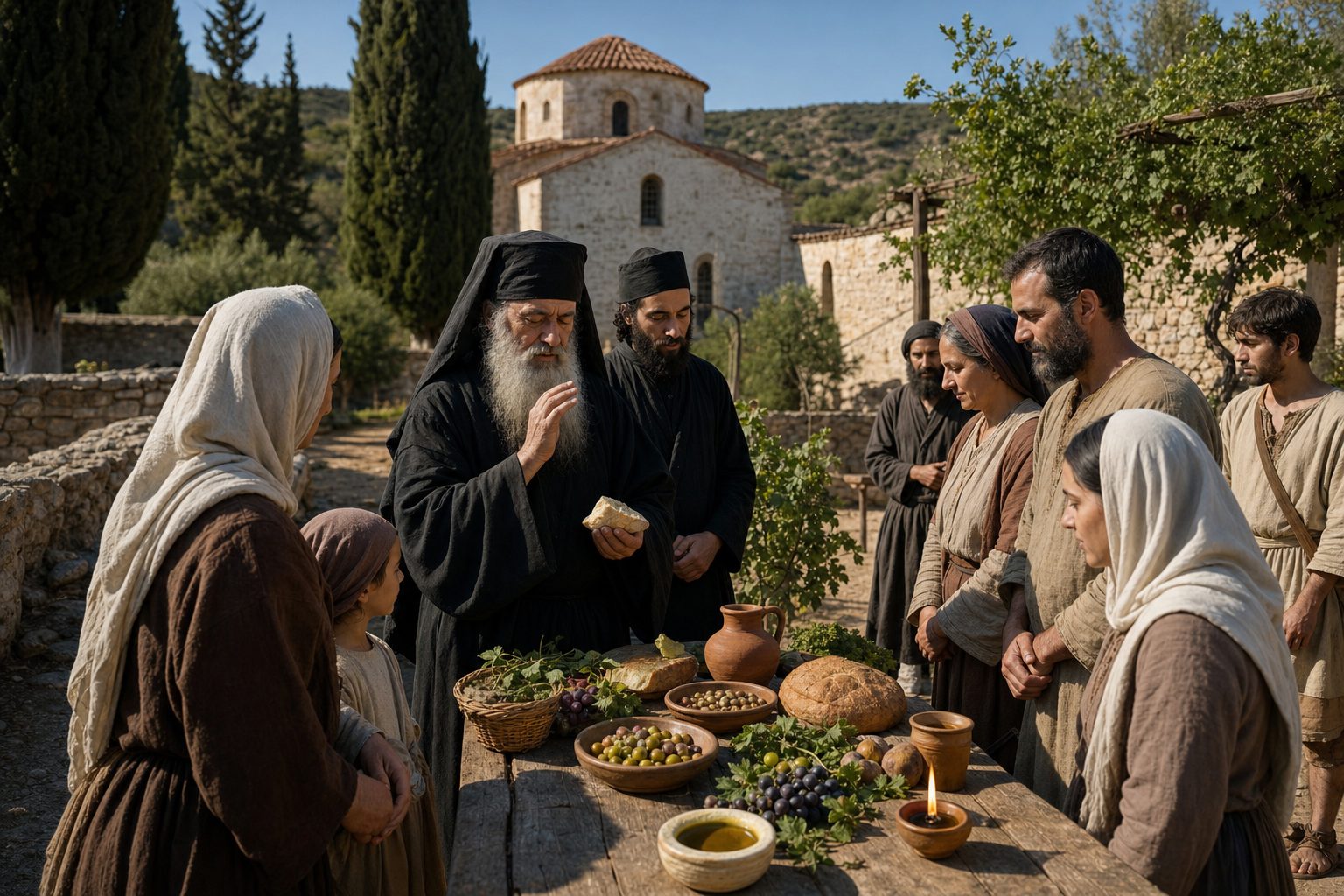

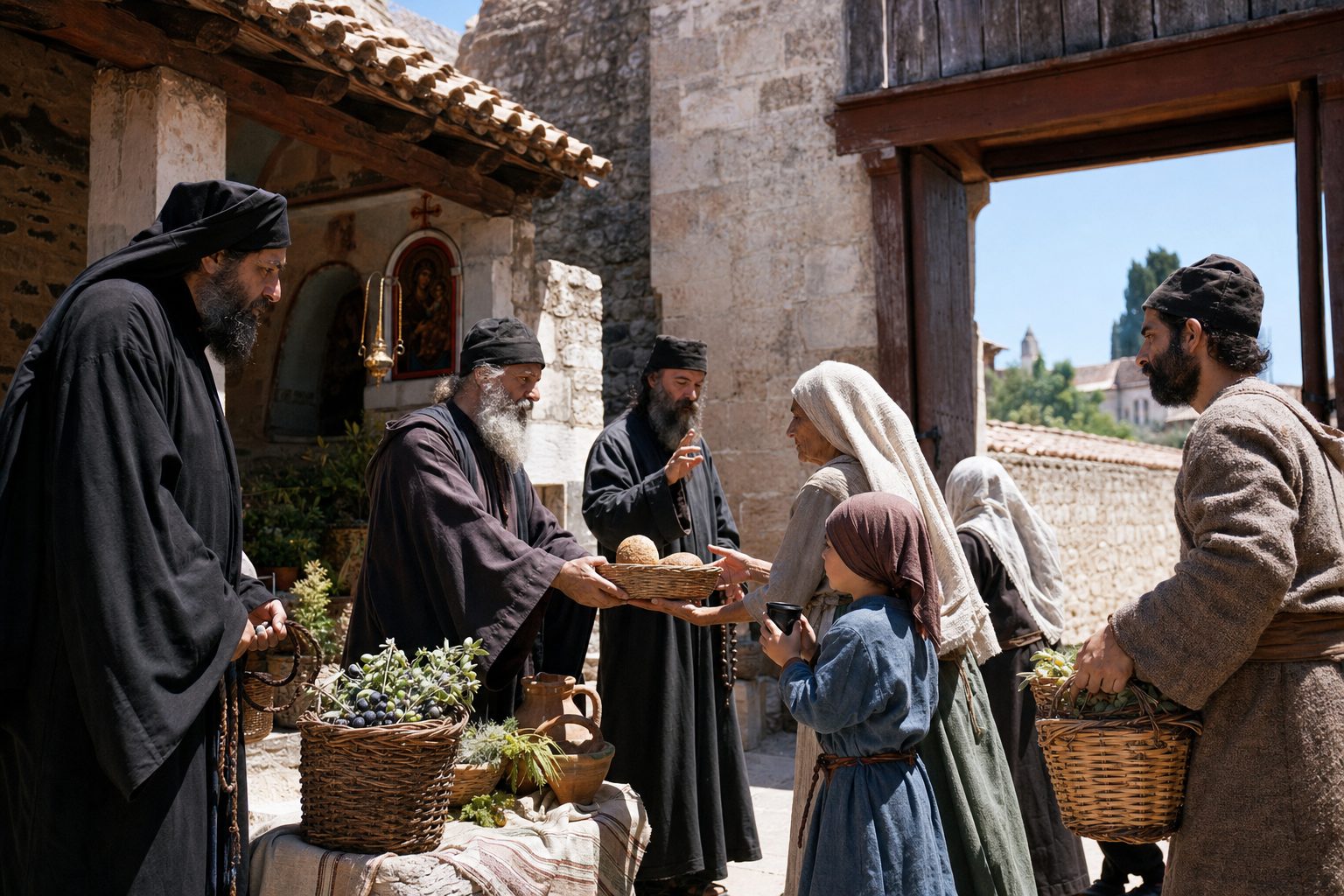

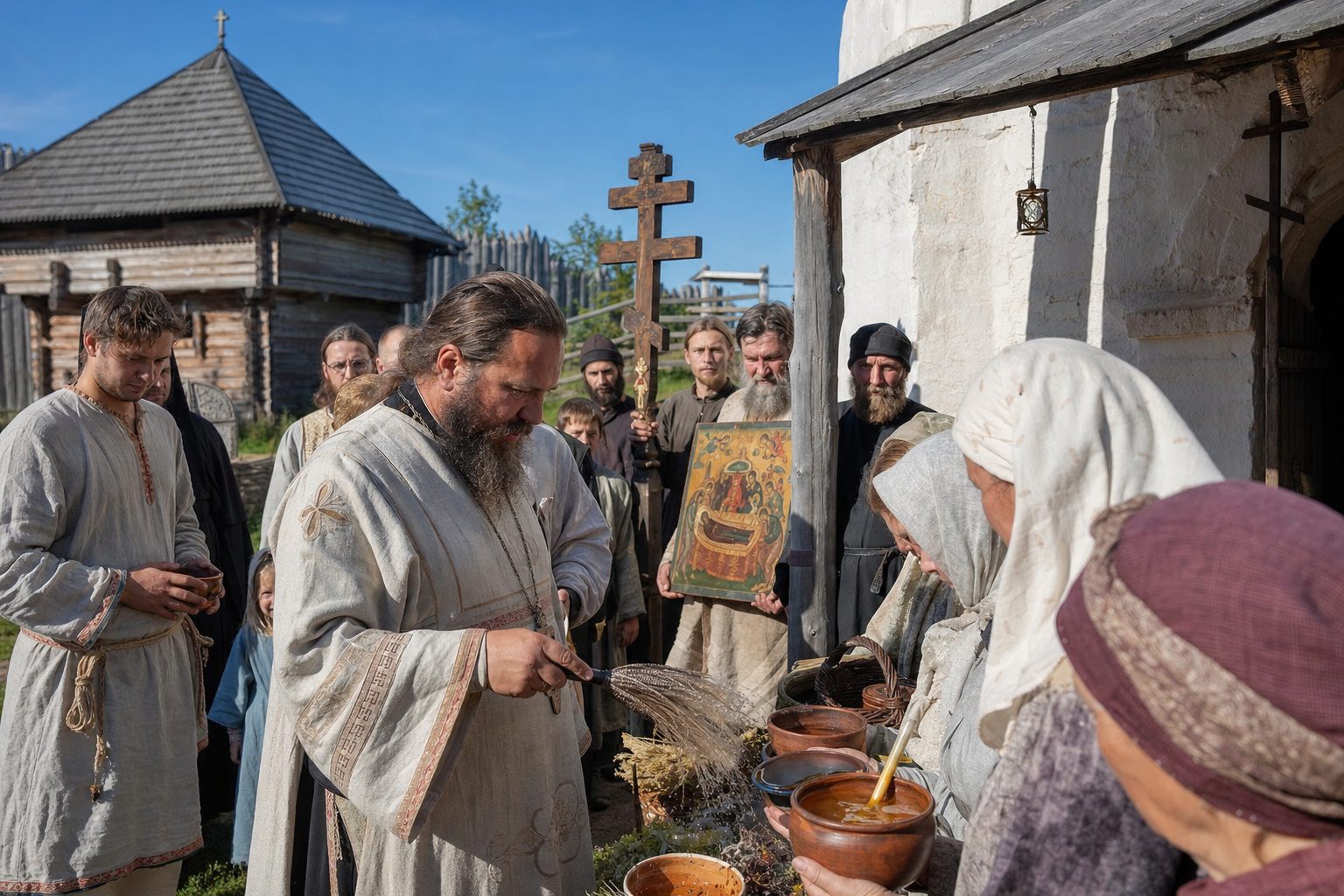
The feast text has not been found in the database yet.
Feasts, fasts and events of the date
Fasting meal без рыбы, масла и вина.
Dormition Fast
Многодневные посты
Lives and liturgical texts
The origin of the honest and life-giving Cross of the Lord

In memory of August 1, the feast of the Holy Cross was established on August 1st in Greece by the Patriarch of Constantinople Luke [Luke Chrysowerg <unk> Patriarch of Constantinople 1156--1169 g.] at the time of King Manuel [Manuel Komnen <unk> Greek Emperor 1143-1180 g.] and in Russia by the Metropolitan of Kiev Constantine [Constantine II, Metropolitan of Kiev, arrived in Kiev from Greece in 1167; mentioned in
The trumpet, voice one.
Trooper, voice 1: Save, Lord, thy people, and bless thy property, victory to our faithful emperor Nicholas Alexander, by giving resistance, and thy preserving thy dwelling by the Cross.
The condac, voiced four.
Kondac, voice 4: Be exalted to the Cross by thy will, thy new habitation, Christ God, give thy bounty, glorify by thy power our faithful emperor Nicholas Alexanderovich, granting him victory in equal measure, the aid of thy possessions, the weapons of peace, an invincible victory.
The trapper, voice 8:
O Lord of mercy, grant us mercy, grant us mercy, grant us mercy, grant us mercy.
The fourth voice.
KONDAK, voice 4: Every unclean, All-merciful Savior, as a doer of bulls, and in despair I will burst into a growl, but I will fall from the wall of my heart, and cry out to You, the Word: hasten the generous, and rush to our help, the merciful. ______________________________________ 1 Luke Chrysostom <unk> patriarch of Constantinople 1156--1169 2 Manuel Komnen <unk> Greek emperor 1143-1180 3 Constantine II, the metropolitan of Kiev, arrived in Kiev from Greece in 1167; is mentioned in the chronicle as early as 1169 4 Nestor <unk> the sixth bishop of the Diocese of Rostov is mentioned in the chronicle of 1149; in 1156 he was ordained a bishop under the patronage of the metropolitan of Constantinople; he was forbidden to go to bed with his household in 1157 but he was acquitted in the same cathedral by the fifth bishop Andrew Neszer.
5 St. Andrew the God-loving <unk> son of the great prince Yuri Vladimirovich and grandson of the glorious Vladimir Monomakh <unk> was born probably in 1111. He was killed on June 30, 1175. 6 Saracens <unk> Muslims. 7 Clear indications for the feast of the All-Merciful Saviour and the Most Holy Mother of God on the occasion of the victory over the Saracens of the Emperor Manuel do not exist in Greek historians, nor in the religious Greek books.
After this war, the Greeks had two successful battles with the Saracens, and one of them under the leadership of the king himself. These events, in conjunction with the news from Russia about God's help in the war against the Bulgarians, could have inclined King Manuel to establish a common Christian feast for the Savior, which had already begun in Constantinople with the consecration of the water on August 1.
"Because of the diseases that were very frequent in August, the custom of carrying the honest tree of the cross on the roads and streets to sanctify places and to ward off diseases has been established in Constantinople since ancient times. The day before (31 July), wearing it out of the royal treasury, it was placed on the holy table of the great church (i.e. St. Sophia). From this day onwards until the Assumption of the Mother of God, then making lights throughout the city, they offered it to the people for worship. This is the origin (prodos) of the honest Cross.
In the Rite Book of Emperor Constantine Porphyrod of Russia (912-959), there are detailed rules for when to carry the Cross from the palace to the church of St. Sophia before August 1; the canon for the feast of the Cross on July 31, written for this occasion (the canon begins with the words: The Divine Pre-Rite Cross) is attributed to George of Amastrid, who lived in the VIII century and was twice in the palace.
The sufferings of the holy Old Testament martyrs Eleazar the priest, the seven brothers of the Maccabees, their mother Solomon and others with them.

Before we begin the account of the sufferings of the holy martyrs, whose names are recorded here on earth in the "Maccabean Books" and in heaven in the books of eternal life, it is fitting, in a brief preface, to relate in advance the disturbances in Jerusalem [Jerusalem <unk> the capital of ancient Palestine] and the persecutions of the pious Jews who kept God's law, both of which were initially instigated by the false prophets themselves
The sufferings of the holy martyrs Leontine, Attus, Alexander, Kindeus, Minsipheus, Kyriakos, Mineus (Mineon), Catunus and Euclid.
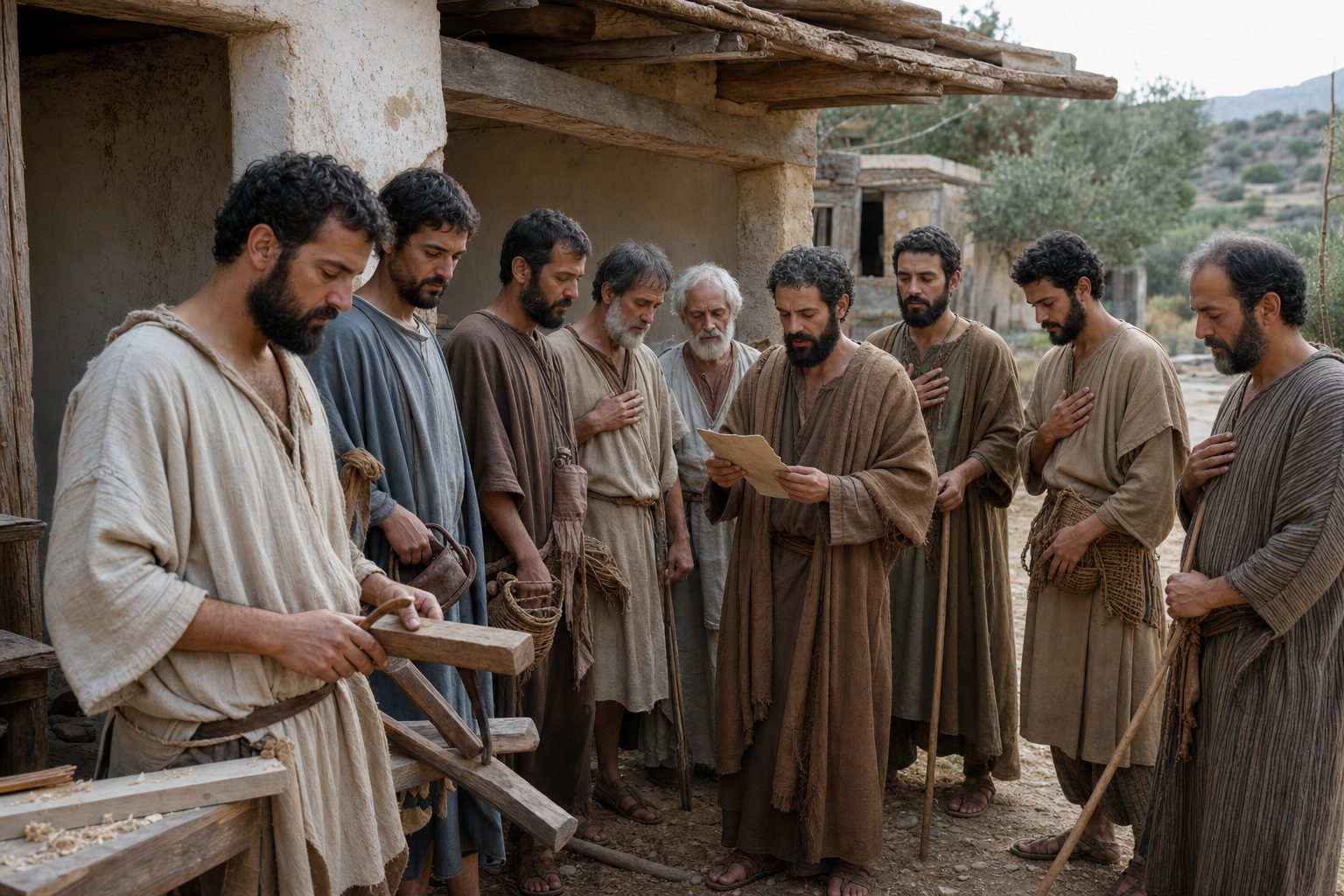
These were the martyrs who were killed in Perga in Pamphylia during the reign of Emperor Diocletian, while the emperor Flavian was governor of that city. They were all descendants of Christians. Mineon was a carpenter by trade, and the others were farmers.